


Solar panel
 |
Solar panel |

- Base game
- Space Age mod
|
Recipe |
|||||||||||||
    |
|||||||||||||
|
Total raw |
|||||||||||||
 |
|||||||||||||
|
Map color |
|||||||||||||
|
Health |
|
||||||||||||
|
Stack size |
50 |
||||||||||||
|
|
50 (1 stack) |
||||||||||||
|
Dimensions |
3×3 |
||||||||||||
|
Power output |
60 kW (full daylight)
|
||||||||||||
|
Mining time |
0.1 |
||||||||||||
|
Prototype type |
|||||||||||||
|
Internal name |
solar-panel |
||||||||||||
|
Required technologies |
|||||||||||||
 |
|||||||||||||
|
Produced by |
|||||||||||||
    |
|||||||||||||
|
Consumed by |
|||||||||||||
  |
|||||||||||||


Solar panels are an unlimited source of free energy that produce no pollution. On a planet, the power output varies based on the time of day. During the day (half of a day/night cycle), all panels provide a constant, maximum power level. Generated power will increase/decrease linearly during dawn and dusk, and no power is produced at night.
The baseline power generated by a panel is 60 kW; this represents 100% power production.
On Nauvis, one solar panel produces 17640 kJ per cycle, or an average of 42 kW over a day/night cycle.
In Space Age , different planets provide a bonus or penalty to panel output. These modifiers are based on 60 kW as the baseline 100% power of a panel. Planets also have their own day/night cycle lengths, but the average power produced by panels over a full day/night cycle is always 70% of the peak power.
Space platforms do not have day/night cycles; panels produce a constant amount of power while at a location in space. If a platform is moving between locations, the power output will raise or lower based on how far it is between the source location and destination. If the source location offers 200% solar power, and the destination has 300%, then a platform halfway between will have its solar panels offer 250% power.
Quality panels also provide higher than 100% power output.
Energy management
As already stated, solar panels produce energy only during the day, but you likely want your factory to run at night as well. Accumulators can be charged up with solar panels during the day to power the base at night.
Accumulators are not the only way to work with solar energy. Sometimes it is more economical to just avoid consuming energy at night. For example, if you power a bunch of electric mining drills and electric furnaces to produce iron and copper plates, you could build more drills and furnaces than you actually need, and store the excess metal production during the day. At night you can shut down the drills and furnaces, and let your factory run with the stored plates. Instead of storing energy, you would be storing what the energy is used for. The easiest way to achieve this is by connecting all your extractors and furnaces to an electric network with exactly enough solar panels to make them work during the day, and keeping this network away from your factory's main electric network.
Notes
- A single (normal quality) solar panel outputs an average of 42 kW over a day on Nauvis and requires 0.84672 ≈ 0.85 accumulators to sustain a constant power output through the night.
- It takes approximately 23.8 solar panels to operate 1 MW of factory and charge 20.2 accumulators to sustain that 1 MW through the night.
- The common rule-of-thumb is 25 solar panels to 21 accumulators to generate about 1 MW (really 1.04 MW + 5/3 kW). A simpler close ratio is 6 solar panels to 5 accumulators, ≈ 0.83 accumulators / solar panels.
- The optimal ratio for normal quality solar panels to charge enough normal quality accumulators on Nauvis is 2646 accumulators for 3125 solar panels (supplying 42 kW per solar panel).

Space Age
Space Age expansion exclusive feature.In Space Age, the closer a planet is to the sun, the more power a solar panel on its surface produces. Additionally, as there is no nighttime in space, solar panels on space platforms will generate energy constantly, and at a higher rate than on a planet's surface.
| Location | In atmosphere | In space |
|---|---|---|
| Vulcanus | 400% | 600% |
| Nauvis | 100% | 300% |
| Gleba | 50% | 200% |
| Fulgora | 20% | 120% |
| Aquilo | 1% | 60% |
| Solar system edge | N/A | 1% |
| Shattered planet | N/A | 1% |
Optimal ratios
The optimal ratio of solar panels to accumulators varies depending on the qualities of both the solar panels and accumulators, as well as the planets they're constructed on.
| Location | Accumulators per solar panel | Approximate Ratios | ||||||||||||||||||||||||
|---|---|---|---|---|---|---|---|---|---|---|---|---|---|---|---|---|---|---|---|---|---|---|---|---|---|---|
 |
|
| ||||||||||||||||||||||||
 |
|
| ||||||||||||||||||||||||
 |
|
| ||||||||||||||||||||||||
 |
|
| ||||||||||||||||||||||||
 |
|
| ||||||||||||||||||||||||
Note that the quality shown in the table is the quality of the solar panels only, and assumes normal accumulator quality. When using accumulators of higher qualities on planets other than Vulcanus, divide the ratio shown by 2/3/4/6 for uncommon/rare/epic/legendary, respectively.
On Vulcanus, the day is so short that Uncommon and better accumulators are limited by their power production, not their energy capacity. Use the following ratios on Vulcanus.
| Accumulator quality | Accumulators per solar panel | Approximate ratios
(* Exact ratios) | ||||||||||||||||||||||||
|---|---|---|---|---|---|---|---|---|---|---|---|---|---|---|---|---|---|---|---|---|---|---|---|---|---|---|

|
(see above) | (see above) | ||||||||||||||||||||||||

|
|
| ||||||||||||||||||||||||

|
|
| ||||||||||||||||||||||||

|
|
| ||||||||||||||||||||||||

|
|
| ||||||||||||||||||||||||
Achievements

|
Solar power Start producing electric power by solar panels. |

|
Solaris Produce more than 10 GJ per hour using only solar panels. |

|
Steam all the way Launch a rocket to space without building any solar panels. |
Gallery
-
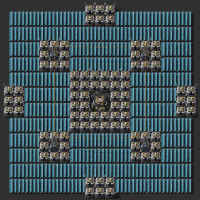 A typical solar power array with accumulators.
 -
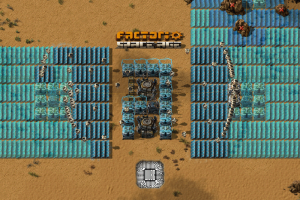 Construction robots are building a solar farm, seen on the expansion's title screen.
 -
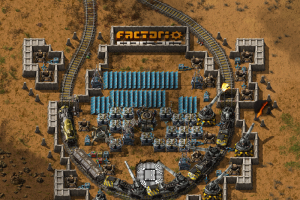 An outpost powered by solar arrays, seen on the expansion's title screen.


History
- 0.13.2:
- Changed tech requirement from Adv. Electronics to Electronics.
- 0.12.11:
- Energy of the solar panel is now fractioned between all the networks it's connected to.
- 0.12.0:
- Massive optimisations to solar panel logic.
- 0.11.0:
- Significantly slowed crafting speed to 10 secs from 0.5 sec.
- 0.7.1:
- Made solar panels pre-science pack 3.
- 0.5.0:
- Unplugged icon shown when not connected to any power transfer device.
- 0.3.0:
- New solar panel graphics.
- 0.2.1:
- Priority of power consumption changed to consume from solar panel first.
- 0.1.0:
- Introduced
See also
- Electric system
- Accumulator
- Calculating the optimal ratio of accumulators to solar panels
- A Solar Power Excel sheet
- (Forum topic) The way I solar
- Game-day
|
Production items |
|
|---|---|
|
Tools |
|
|
Furnaces |
|
|
Agriculture |
|
|
Environmental protection |
|


